

It’s the Cold Snap and Everyone Hates Their Windows
“Hi John, my windows are covered with condensation and ice. It’s ruining my wood window sills. Should I starting by blaming my window manufacturer or my builder?”
Ok, the phone call is a little gentler than that…but not always. I’ve have 3 calls like this so far this week with some version of this narrative. We’re in our 2nd week of serious cold in Idaho. Night are below zero and the days are in the teens. A standard double pane window simply can’t stay above the dewpoint temperature and it’s nobody’s fault except Jack Frost (unless you humidify your home, and then yes, it’s your fault).
Step one in explaining window condensation is to download a simple, free
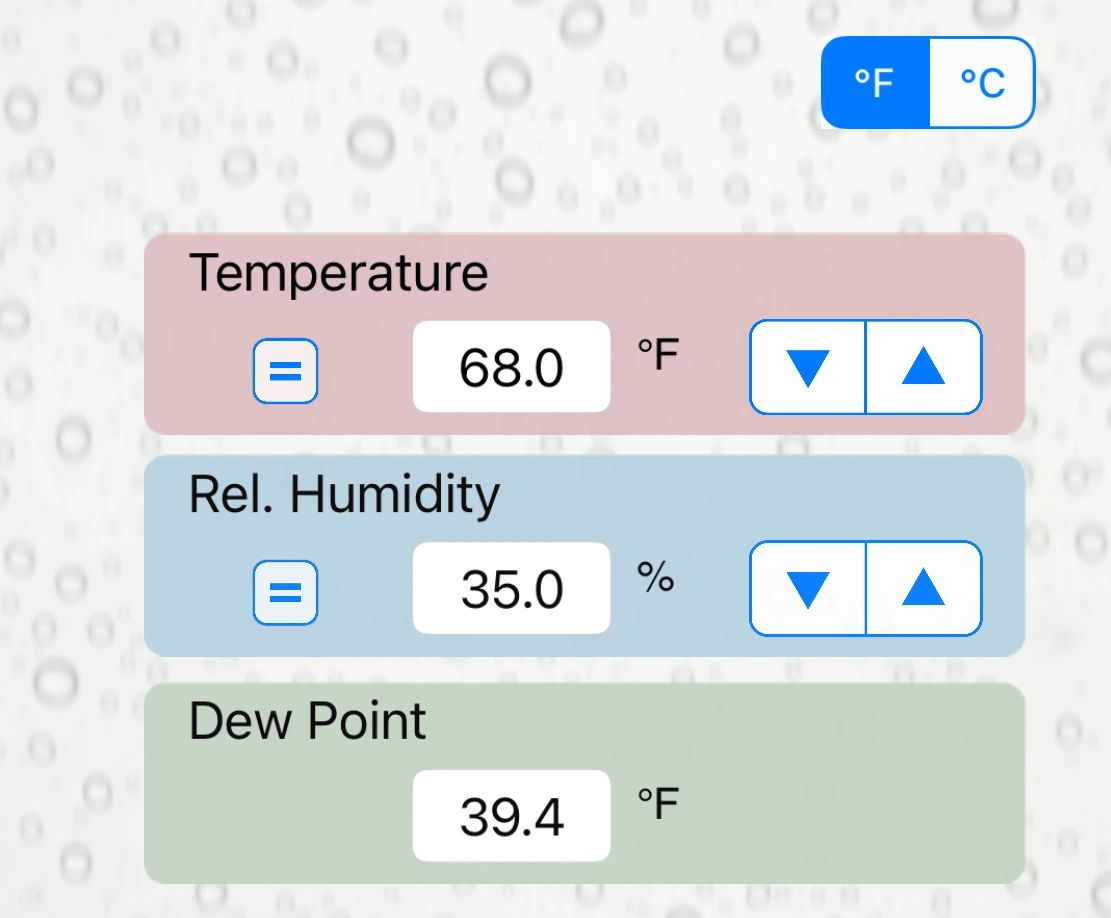
dew-point calculator. For example, a room at 68 degrees with a relative humidity of 35% will form dew on a surface with a temperature of 39.4 degrees. When it’s 0 F outside, most windows aren’t up for the task.
We installed triple pane European-style windows at our house. They have a U-value of around 0.18. Which is over 30% better than a typical double pane. During a week like this, these amazing windows have the following:
1) Master bathroom (high humidity) : Totally soaked. Dripping wet.
2) Bedroom by morning (mid-humidity): Water on the window, but not dripping.
3) Living room (low humidity) : no problems at all.
Things to Do:
1) Make sure your humidification system is set below 30%.
2) Install heat under your windows. It’s old-school but still common place because it works. I’m not saying having heat under every window is critical to a home, but it does solve this problem.
3) Check your ventilation system and make sure it’s on. I prefer ventilation systems to be a “DOAS” – dedicated outside air systems – but they rarely are except in high-performance houses and houses with radiant heat. With a DOAS, the ventilation system is completely separate from any other ductwork, so we can test and balance ventilation into each room.
4) Chose non-wood windows and use window-sills that are NOT MDF or wood. If you are using MDF, switch your sills to “MDX” because they won’t swell when wet.
5) Ask your window supplier about the windows “condensation coefficient.” It’s a thing, I haven’t researched it much, but some windows have gremlins that squeegee away condensation as it forms.
6) If you’re building a “natatorium”…call me.